
Gifts That Support Children's Art Education
Table of Contents
Why Gifts That Support Children's Art Education Matter
Art Gifts for Kids: Picks by Age and Skill Level
Ages 3-5: Preschoolers and Kindergarten
Ages 6-9: Elementary Children
Ages 10+: Tweens and Teens
How to Choose When You Are Unsure
Art Supplies for Young Artists: What Actually Gets Used
Gifts for Art Teachers and Classroom Art Programs
Gifts That Support Arts Education Beyond the Wrapping Paper
Budget Tiers and Gift Bundles That Go Further
Bundles That Fund Instruction, Not Just Supplies
How to Build a Bundle in Three Steps
A Note on Verification
Accessibility, Safety, and Choosing Materials That Last
Conclusion: Give a Gift That Keeps Creating
Frequently Asked Questions
Last Updated: October 5, 2026
Why Gifts That Support Children's Art Education Matter
A gift that supports children's art education does two jobs at once: it puts real materials in a child's hands and it helps keep art programs alive in schools where budgets rarely stretch far enough.
The deeper point is that art supplies and art instruction belong together. A box of watercolors without a teacher to guide it often ends up in a drawer.
That's the lens we use below. We'll cover art gifts for kids by age, what supplies actually get used, how to support art teachers, and how to stretch any budget.
Art Gifts for Kids: Picks by Age and Skill Level
The best art gift matches a child's fine motor skills, not their age on a birthday invitation. A four-year-old and a nine-year-old can both love painting, but they need very different tools to succeed at it. Use the matrix below as a starting point, then adjust for the individual child.

Ages 3-5: Preschoolers and Kindergarten
For preschoolers and kindergarteners, choose supplies built for big, messy exploration. Chunky paintbrushes, washable tempera paint, thick crayons, and large paper let small hands succeed without frustration. Avoid anything with tiny parts or permanent ink.
Learning through play matters more than finished artwork at this stage. Finger painting, stamping, and tearing paper into collages all build the grip strength that drawing and writing depend on later.
Concrete picks that tend to work well:
Crayola Washable Fingerpaint or similar washable tempera in primary colors
Melissa & Doug chunky paintbrushes or similar easy-grip brushes
Large (12x18 inch) sulfite drawing paper, which holds up to wet media better than copy paper
Play-Doh or similar modeling compound for three-dimensional exploration
Ages 6-9: Elementary Children
Elementary children are ready for real control. Watercolor pans, graphite pencils, a good eraser, and a spiral sketchbook give them tools that reward practice. This is also the age when many kids start asking for lessons rather than just supplies.
A beginner-friendly watercolor set paired with a simple how-to book often beats an expensive kit with forty pieces, most of which go unused.
Concrete picks that tend to work well:
Sakura Koi Watercolor Pocket Field Sketch Box or a similar 12- to 18-color pan set
Strathmore Watercolor Paper pad, 90 lb or heavier, so paper does not pill
Ticonderoga or similar quality graphite pencils in HB and 2B
A kneaded eraser, which does not tear paper and can be shaped for detail work
A spiral-bound sketchbook with at least 60 lb paper
Ages 10+: Tweens and Teens
Older kids and teens benefit from quality over quantity. Brush markers, a set of drawing pencils in varied hardness grades, watercolor paper that does not pill, and a lightweight easel support serious skill-building.
Teens who have stuck with art usually know what they want. A gift card to an art supply store, paired with one thoughtfully chosen item, respects their taste while still feeling personal.
Concrete picks that tend to work well:
Tombow Dual Brush Pens or similar brush markers for lettering and illustration
A drawing pencil set with grades from 2H to 6B for shading and value studies
Canson XL Watercolor Paper or similar 140 lb cold-press paper
A tabletop easel or a lightweight field easel for working from observation
A mixed-media sketchbook with heavier paper that accepts wet and dry media
How to Choose When You Are Unsure
If you do not know the child's skill level, ask three questions: What do they already use most? What do they run out of first? What do they ask for? The answers usually point to a consumable upgrade rather than a new category. A child who draws constantly will use a better sketchbook and pencils; a child who paints will use more paper and paint. Matching the gift to existing habits beats introducing an unfamiliar medium.
Art Supplies for Young Artists: What Actually Gets Used
Art supplies for young artists should be judged by one standard: does the child reach for it again next week? In practice, a few core materials earn their place on the desk while specialty items sit untouched.
The supplies that get used most are the ones with the lowest barrier to starting:
Washable paint and chunky brushes for younger kids
Watercolor pans and watercolor paper for ages six and up
Graphite pencils, erasers, and a sketchbook for daily drawing
Brush markers for color without setup or cleanup
Craft kits for structured, hands-on activities
What most gift guides miss is that storage matters as much as the supplies. A child with a dedicated bin or pouch for their materials is far more likely to use them than one whose paints are scattered across a closet.
Pro Tip Buy one higher-quality version of a supply the child already uses rather than a large multi-piece kit. A single good set of watercolors gets used; a 100-piece set usually loses half its pieces within a month.
Gifts for Art Teachers and Classroom Art Programs
Gifts for art teachers solve a problem most people never see: teachers often spend their own money on supplies. A gift that restocks a classroom is more useful than another decorative mug.
Practical options include bulk consumables like paper, paint, and brushes, or a donation made directly to a school's art department.
For community art programs and studios, the same logic applies. Consumables disappear fastest, so a gift of paper, paint, or drawing pencils almost always lands well.
Key Takeaway The most useful gift for an art classroom is the least glamorous one: bulk paper, paint, and brushes. Teachers rarely lack enthusiasm. They lack consumables.
Gifts That Support Arts Education Beyond the Wrapping Paper
Gifts that support arts education can extend past the object itself. A purchase that routes funding to a school art program turns a normal present into something with a longer reach.
This is the model behind our own work.
There are other routes too. Donating directly to a school art department, sponsoring a child's art class fees, or buying supplies from a teacher's wishlist all accomplish the same goal.
Watch Out If a brand claims its profits support art education, ask for documentation before you buy. A vague promise without verification is a marketing line, not a donation.
Budget Tiers and Gift Bundles That Go Further
You can build a meaningful art gift at almost any budget by bundling a few complementary items instead of buying one large kit. The table below groups options by spending level and by whether the gift equips a child directly or funds instruction.
Budget Tier | What to Include | Best For |
Small | One quality sketchbook plus a set of graphite pencils | Beginner drawers, party gifts |
Mid | Watercolor pan set, watercolor paper, two brushes | Kids ages 6-9 ready for paint |
Larger | Brush markers, drawing pencils, sketchbook, and a lesson or class | Tweens and teens building skill |
Any tier | A donation to a school art program in the child's name | Gifts that fund arts education |
Bundling works because it removes the "what do I do with this" problem. A sketchbook alone is a nice object; a sketchbook with pencils and a simple prompt card is an invitation to start.
Bundles That Fund Instruction, Not Just Supplies
The keyword is about supporting art education, and the most direct way to do that is to pay for instruction. A few mechanisms work well:
Sponsor a class fee. Many community art centers and school enrichment programs offer scholarships or sliding-scale fees. A gift that covers one child's session fee turns into weeks of guided instruction.
Buy from a teacher's wishlist. Many public school teachers maintain supply wishlists through platforms like DonorsChoose or their school's own system. You can fund a specific project rather than a general donation.
Donate to a school art department directly. A check or online gift designated to the art program gives the teacher discretion to buy what the classroom actually needs, which is often consumables like paper and paint.
Purchase a gift that routes profits to art programs. Some small businesses, including ours, donate a portion or all of their profits to children's art programs in schools. This lets a normal gift do double duty.
How to Build a Bundle in Three Steps
Pick the anchor item. Choose one supply the child will use weekly, such as a sketchbook or a watercolor set.
Add one consumable. Paper, paint, or pencils run out and get used, so they extend the gift's life.
Add one experience or funding element. A lesson, a class fee, or a donation to an art program turns the gift into education, not just equipment.
A Note on Verification
If a brand claims its profits support art education, ask for documentation before you buy. A vague promise without verification is a marketing line, not a donation. Look for a named beneficiary, a stated percentage, or a public report. The same applies to donation-based gifts: confirm that the school or program can accept designated gifts and that the money will reach the art classroom.
Accessibility, Safety, and Choosing Materials That Last
Safety and accessibility should shape every art gift, especially for younger children. Check labels for non-toxic, washable formulas, and avoid anything with small loose parts for kids under three.
Accessibility matters too. Some children need larger grips, higher-contrast materials, or tools that work without fine motor precision.
Durability is the quiet test. A journal with a sturdy binding, watercolor paper with real weight, and brushes that hold their shape all last longer than their cheaper counterparts.
Conclusion: Give a Gift That Keeps Creating
Choosing a gift that supports children's art education means thinking past the moment of unwrapping. The best presents give a child materials they'll actually use and help keep the programs that teach them running.
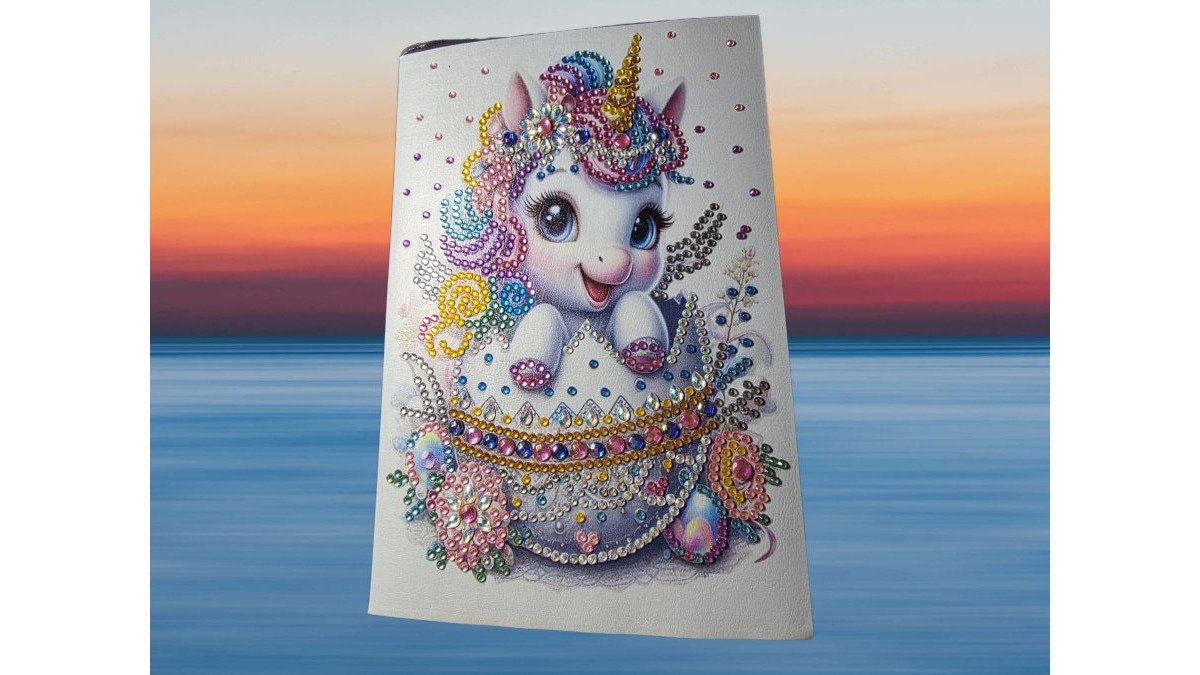
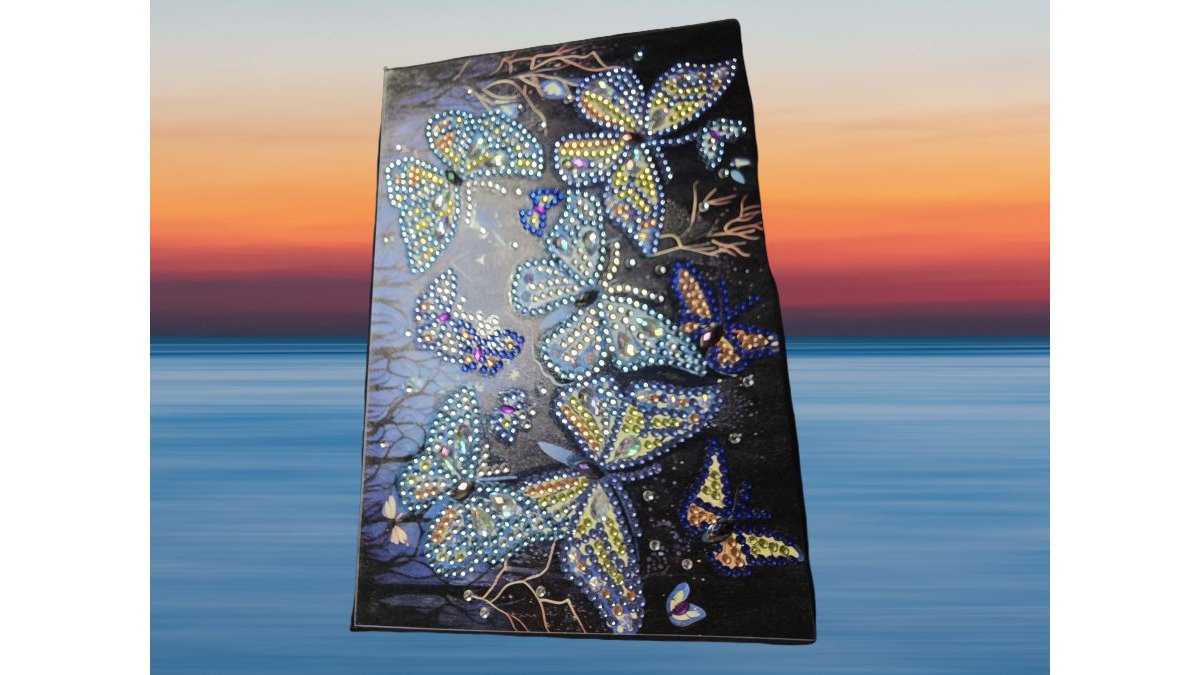
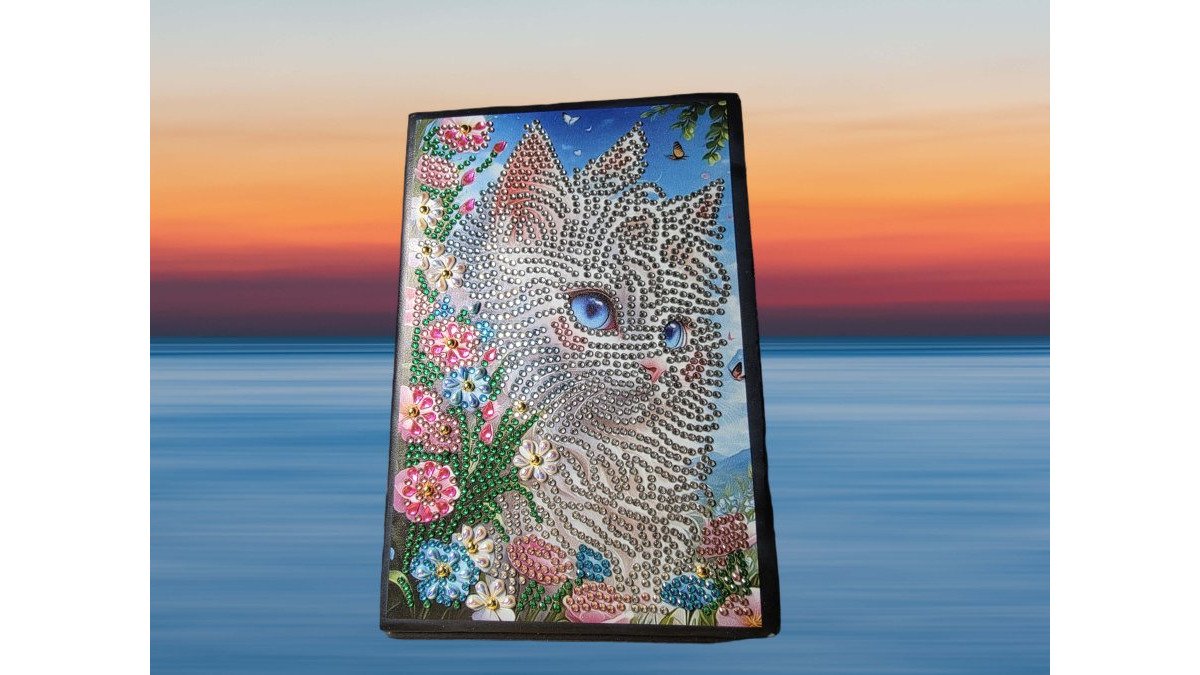
At Reflective Radiance Studio, every handmade journal and accessory is made with that goal in mind, and 100% of our profits go to children's art programs in schools. If you want a gift that encourages creativity and funds it at the same time, explore our collection and give something that keeps creating long after the holidays.
Frequently Asked Questions
What gifts help support children's art education?
The most effective gifts pair usable art supplies with access to instruction. Consider watercolor paper, brush markers, graphite pencils, or a sketchbook paired with a community class or museum membership. Gifts that fund school art programs, such as handmade journals whose profits go to children's art education, also make a direct impact. Combining a physical gift with a lesson or class experience gives kids both the tools and the guidance to build real skills over time.
What art supplies are best for young artists?
For preschoolers and kindergarteners, choose chunky crayons, washable paint, and thick-handled paintbrushes that are easy to grip. Elementary children do well with watercolor sets, watercolor paper, brush markers, and colored pencils. Tweens and teens benefit from graphite pencils, an easel, and higher-quality paper. Prioritize materials children will actually use at their skill level, and look for non-toxic, reusable options so supplies hold up through repeated projects and creative play.
What are good gifts for a child who loves art?
Match the gift to how the child likes to create. A child who draws constantly will use a quality sketchbook and graphite pencils daily. A painter may prefer a watercolor set with proper watercolor paper and a tabletop easel. Craft kits and painting kits work well for kids who enjoy hands-on activities with a clear finished project. Adding a class, lesson, or art studio membership turns a single gift into ongoing skill-building and creative expression.
What gifts do art teachers actually want?
Art teachers appreciate supplies they can stretch across a whole classroom: watercolor paper, paint, paintbrushes, brush markers, and reusable tools that survive daily use. Gift cards to art supply stores let them fill specific gaps in their curriculum. Many teachers also welcome donations toward classroom art projects, field trips to art studios, or lessons. A handwritten note paired with practical supplies goes further than a decorative item they cannot use with students.
A gift only matters if it reaches the child who needs it. Reflective Radiance Studio makes handmade journals and accessories with care, and 100% of profits go to children's art programs in schools. Every purchase supports art education directly. Shop the Collection and give a present that keeps creating.
Reflect Your Inner Radiance
Comments