
What Are the Best Creative Hobbies for Art Enthusiasts?
Last Updated: November 1, 2026
Quick Summary
The best creative hobbies for art enthusiasts to try are sketching, watercolor, paper crafts, and embroidery, since each is low-cost and produces a finished piece fast. Pick the one you will actually return to, not the one that looks impressive on a shelf.
Sketching needs only a sketchbook, pencil, and eraser, with startup costs of $15 to $40.
Paper crafts, sketching, and cross-stitch are the cheapest on-ramps and finish fastest.
Pottery is the most expensive and slowest to reward you, so try it second or third.
Stress relief comes from rhythm and completion, not skill, so finish something small in one sitting.
Run a single-session test with the smallest kit before buying any supplies.
Table of Contents
Why Creative Hobbies for Adults Are Worth the Time
Creative hobbies are hands-on activities that turn ordinary materials into something personal, whether that means paint on canvas or yarn on a hook.

Here is the part most guides get wrong: the goal is not to become good at something. It is to give your hands and mind a place to land.
That distinction changes everything. A hobby you approach with curiosity tends to stick. A hobby you approach as a performance tends to gather dust.
Below, we break down the most rewarding options by cost, skill level, and space, so you can pick one that fits your real life.
Painting and Drawing: The Classic Starting Point
Painting and drawing are the most accessible entry points into visual art. A sketchbook, a pencil, and twenty quiet minutes are enough to begin.
Start with graphite or a basic acrylic set if you want a simple first project. Canvas painting can wait until you know you enjoy the process.
A common mistake is buying a full studio kit before your first session. Buy one pencil, one pad, and one brush. Upgrade only after you have filled twenty pages.
Startup supplies: sketchbook, graphite pencils, eraser, one acrylic set
Learning curve: low to moderate
Time per session: 15 to 45 minutes
Space needed: a table and good light
Best for: people who want a forgiving first project. Skip if: you dislike mess or cleanup.
Watercolor and Sketching for Low-Commitment Practice
Watercolor and sketching are the lowest-pressure forms of painting and drawing. A small pan set and a water brush fit in a bag, so you can practice anywhere. Sessions can last ten minutes or two hours, and there is no setup to dread.
Sketching pairs well with watercolor because the pencil lines give structure to loose color. If you are wondering whether your paper can handle both, learn whether watercolor paper is good for mixed media before you invest. Try a ten-minute sketch, then add one wash. That small habit builds skill fast.
Beginner-Friendly Crafts That Need Almost No Setup
Beginner-friendly crafts are paper-based projects that reward you within a single session. Card making, collage, scrapbooking, and hand lettering all fit on a small desk and need no special room. These are the craft projects that let you test whether you enjoy making before you commit to a medium.
Sol Tai
Paper crafts suit art enthusiasts who like texture and layering. Calligraphy and hand lettering appeal to people who want a skill they can practice in short bursts.
Paper crafts: card making, collage, scrapbooking
Lettering: brush pens, calligraphy markers, practice sheets
Tools: scissors, glue stick, a cutting mat
The one drawback is storage. Paper scraps multiply.
Fiber Arts: Knitting, Crochet, and Embroidery
Fiber arts are portable, repetitive, and quietly absorbing. Knitting, crochet, embroidery, cross-stitch, and needle punching all use simple tools and reward patience.
Start with crochet or knitting if you like motion. Choose embroidery or cross-stitch if you prefer detail work and a finished hoop you can hang.
A common mistake is choosing a project far above your skill level. Pick a scarf, a washcloth, or a small sampler first. Finish it. Then stretch.
Knitting and crochet: yarn, hooks or needles, stitch markers
Embroidery and cross-stitch: fabric, hoop, floss, needles
Needle punching: punch needle, monk's cloth, yarn
Learning curve: moderate for knitting, low for cross-stitch
Best for: people who like repetition and tangible progress. Skip if: you get frustrated by slow, incremental results.
Easy Art Hobbies to Do at Home Without a Studio
Easy art hobbies to do at home do not require a dedicated room. For more ideas, see how to organize an art studio for maximum creativity.
Jewelry making needs only pliers, wire, and beads. Macrame needs cord and a hook. Photography needs whatever camera you already own. Digital art needs a tablet, though a phone with a stylus works for sketching.
Watch out: storing wet paintings or open glue near fabric projects can ruin both. Keep drying work on a separate tray, away from fiber and paper.
Small-space picks: jewelry making, macrame, digital art
Storage: rolling cart, lidded bin, wall hooks
Setup time: under five minutes for most projects
Creative Hobbies for Stress Relief and Quiet Focus
Creative hobbies for stress relief work by giving your attention a single, concrete task. The repetition of drawing, stitching, or folding paper quiets the mental chatter that builds during a busy day.
You do not need talent for this. You need a few minutes and a simple prompt.
A daily doodling habit is one of the easiest ways to start. Our beginner's guide to starting a daily doodling habit walks you through the first steps.
Low-focus options: doodling, coloring, hand lettering
Rhythmic options: knitting, crochet, embroidery
Session length: 10 to 20 minutes is enough
Best time: morning coffee or the last hour before bed
Best for: anyone using art to manage anxiety or unwind. Skip if: you want fast, visible results over calm.
Accessible and low-mobility options
Not every stress-relief hobby requires fine dexterity or a dedicated workspace. If grip strength, mobility, or workspace are constraints, these adaptations keep the practice open:
Watercolor with a water brush: no cups to spill, and the brush holds water in the handle.
Large-grip crochet hooks and knitting needles: easier to hold for longer sessions.
Pre-printed cross-stitch and embroidery patterns: the design is already on the fabric, so you focus on stitching rather than counting.
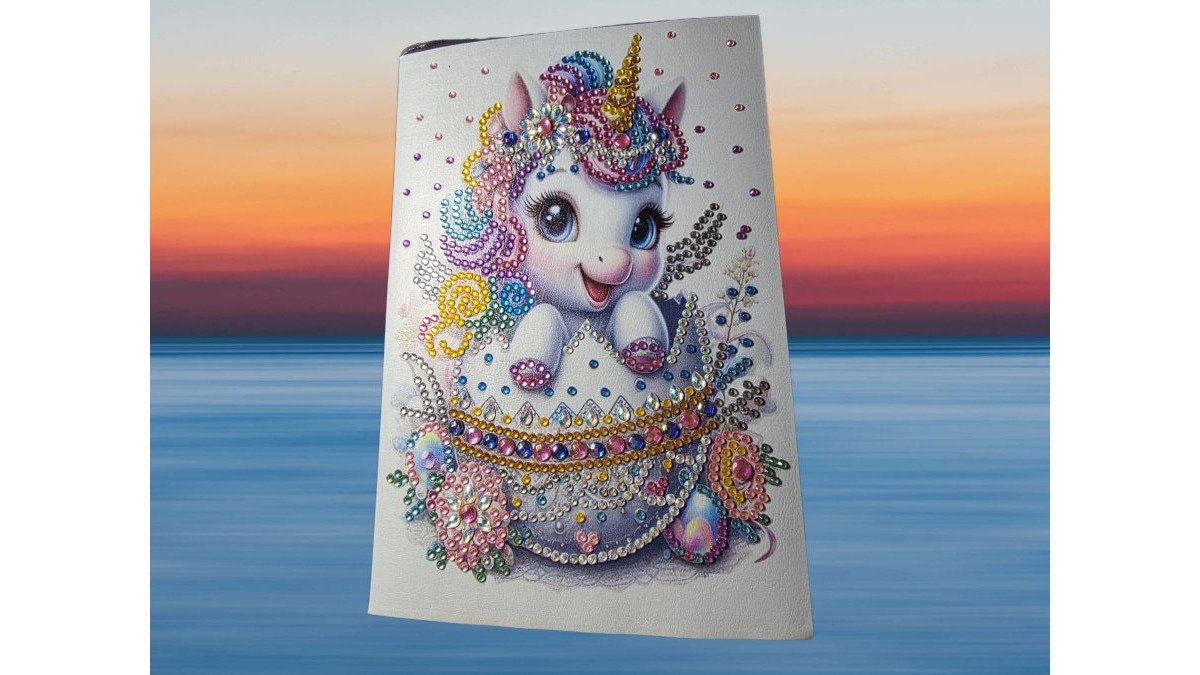
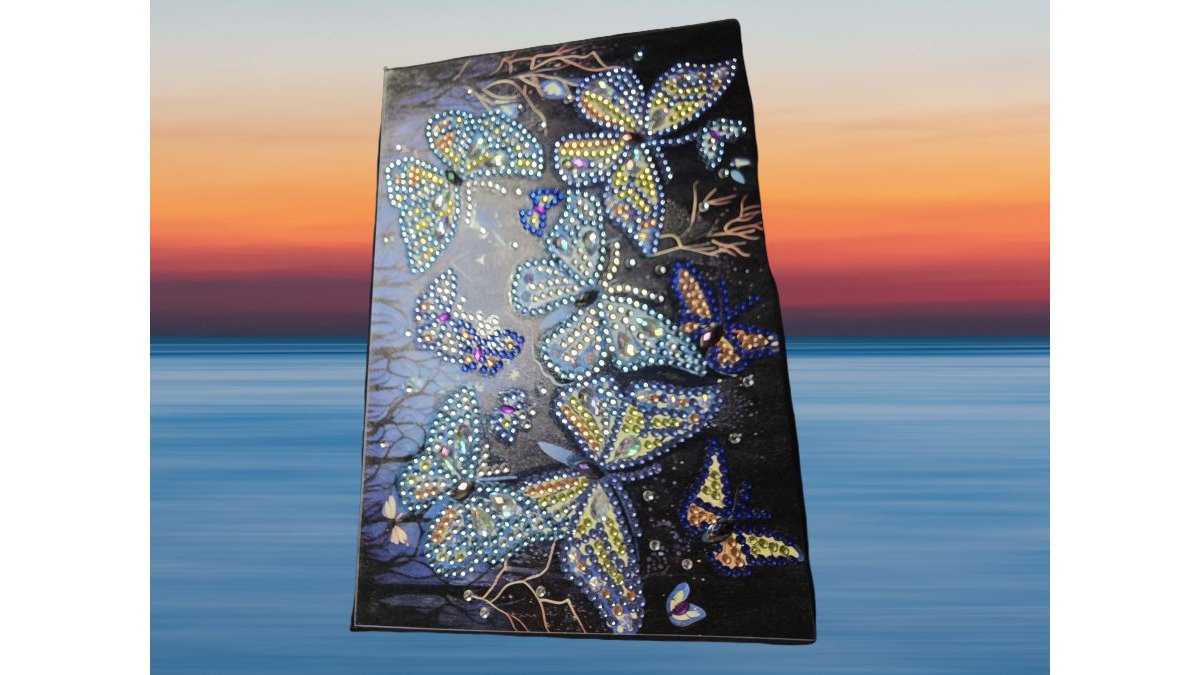
Sticker-by-number and paint-by-number kits: low-decision, high-completion activities that work at a table or in bed.
Hand lettering with brush pens: forgiving of uneven pressure and easy to pause.
A common pattern is to keep one low-effort option within arm's reach and one more involved option stored nearby. On tired or low-mobility days, the easy option keeps the habit alive; on better days, you reach for the fuller project.
Key Takeaway Stress relief comes from rhythm and completion, not from skill. Choose the hobby that lets you finish something small in one sitting, and keep an accessible version on hand for the days you need it most.
Matching a Hobby to Your Budget, Space, and Energy
Matching a hobby to your life matters more than picking the "best" one. A low-cost hobby you can do in ten minutes will beat an expensive one that needs a free afternoon.
Here is a general breakdown of how the hobbies compare. Pricing for any supplies depends on quantity, brand, and retailer, so check current prices before you buy.
Hobby | Startup Cost (USD) | Space Needed | Learning Curve | Time per Session | First Finished Piece |
Sketching | $15-$40 | Small desk | Low | 15-30 min | Same day |
Watercolor | $25-$70 | Small desk | Moderate | 20-45 min | 1-2 sessions |
Paper crafts | $20-$50 | Small desk | Low | 30-60 min | Same day |
Knitting | $20-$60 | Chair and bag | Moderate | 30-60 min | 1-3 weeks |
Crochet | $15-$45 | Chair and bag | Moderate | 30-60 min | 1-2 weeks |
Embroidery | $15-$40 | Chair and lamp | Low | 30-90 min | 2-5 sessions |
Cross-stitch | $15-$35 | Chair and lamp | Low | 30-90 min | 1-2 weeks |
Jewelry making | $30-$80 | Small desk | Moderate | 30-60 min | Same day |
Pottery (drop-in studio) | $150-$400+ | Studio access | High | 2-3 hours | 4-8 weeks |
Photography | $0-$500+ | Anywhere | Moderate | 30-120 min | Same day |
Digital art | $50-$400+ | Small desk | Moderate | 30-90 min | Same day |
Calligraphy | $20-$50 | Small desk | Moderate | 20-45 min | 1-2 weeks |
A few patterns stand out. Paper, sketching, and cross-stitch are the cheapest on-ramps and produce a finished object fastest.
Choose by goal, not by medium
If you want to relax, pick a rhythmic, low-decision activity: knitting, crochet, or embroidery. If you want to express an idea, pick sketching or writing. If you want to socialize, look for a drop-in pottery studio, a knitting group, or a community art class. If you want to build a visible skill, choose something with a clear progression, watercolor, calligraphy, or digital art, and practice in short, frequent sessions.
Choose by personality
Detail-oriented people tend to stick with cross-stitch, calligraphy, and jewelry making. People who like motion and repetition gravitate to knitting and crochet. People who want to experiment without mess often prefer digital art. There is no wrong answer, but matching the hobby to how you already like to spend focus makes the habit far more likely to last.
Choose by space and mobility
If you work at a kitchen table and pack everything away each night, favor sketching, watercolor, paper crafts, or embroidery. If you have limited dexterity or mobility, watercolor with a water brush, large-grip crochet hooks, and pre-printed cross-stitch patterns reduce the physical demands. Pottery and large-scale painting need dedicated space and are worth postponing until you know the hobby will stick.
Pro Tip Before buying anything, run a single-session test. Borrow or buy the smallest kit available, make one thing, and notice whether you wanted to keep going. That one session tells you more than any comparison table.
Energy matters too. Save demanding projects for your best hours. Keep a low-effort option, doodling, hand lettering, or a few rows of knitting, for tired evenings.
Pick a Journal and Start Your First Creative Practice
The fastest way to begin is to pick one hobby and one journal, then commit to a short daily session. A blank journal gives you a place to sketch, plan, and reflect without pressure.
If you are not sure where to start, our list of easy art journal ideas for beginners gives you ten prompts you can try tonight. When you are ready to begin, you can explore our handmade journals for this kind of daily practice.
At Reflective Radiance Studio, every handmade journal is crafted with care, and 100% of our profits are donated to children's art programs in schools.
Frequently Asked Questions
What are some creative hobbies for art enthusiasts who already draw?
If you already draw, try a medium that changes how you see value and color: watercolor, pen and ink, or gouache. Watercolor punishes overworking, which trains restraint, while pen and ink builds confidence in line work. Printmaking and collage are two more options that reuse drawings you already have. Start with one new medium and one small format, such as a 5x7 inch pad, so the switch stays low-stakes and you finish pieces instead of abandoning them.
Which beginner-friendly crafts use inexpensive or everyday materials?
Paper crafts, collage, embroidery, and sketching all start with supplies you may already own. Collage needs only magazines, glue, and a sturdy backing. Embroidery requires fabric, a hoop, needles, and thread, and a starter set costs less than most single art books. Sketching needs a pencil and paper. These beginner-friendly crafts let you test whether you enjoy the rhythm of a medium before spending more on brushes, clay, or a camera.
Can creative hobbies for stress relief actually calm you down?
Repetitive, low-stakes making is what makes creative hobbies for stress relief work. Knitting, hand lettering, and coloring ask for steady attention without a deadline, which gives your mind something concrete to hold. The key is choosing a project you cannot fail at: a practice swatch, a single page in a journal, or a small daily sketch. Keep sessions short, around 15 to 20 minutes, and skip anything with a deadline or a client attached.
How do I choose a creative hobby that suits me?
Match the hobby to how you like to spend time, not to what looks impressive online. If you want movement and mess, try pottery or painting. If you want something portable and quiet, try sketching, knitting, or embroidery. If you like collecting and arranging, try collage or jewelry making. Set a small budget for your first attempt, give it three sessions, and keep the one you reach for without reminding yourself.
Starting a creative practice can feel intimidating when you are tired, busy, or unsure you have any talent. Reflective Radiance Studio makes the first step simple with handmade journals built for daily use, a mission that sends 100% of profits to children's art programs, and a focus on optimism and kindness in every piece. Get started with Reflective Radiance Studio and give your ideas a place to land.

Comments