
What Are the 7 Different Types of Journaling?
Last Updated: November 4, 2026
Quick Summary
The seven types of journaling are gratitude, reflective, stream-of-consciousness, bullet, daily, creative or visual, and mood or mental-health journaling. Each serves a different purpose and takes a different amount of time, from about five minutes for gratitude or bullet journaling to 15-30 minutes for creative work. Choosing the right one depends on the time you can protect and what you want the page to do.
Gratitude, bullet, and mood tracking are the lowest-friction styles, each fitting in five to ten minutes.
Reflective and creative journaling need more time and materials, so they suit evenings or weekends.
Stream-of-consciousness freewriting helps when your mind feels crowded, using a timer for five to ten minutes.
A style you can sustain for five minutes beats a richer one you skip.
Table of Contents
Journaling is one of the simplest habits to start, but there is no single way to do it. Mindful adults often pick it up for stress relief, while others use it to track goals or work through a hard season. Knowing the main types of journaling helps you choose a style that fits your life. A few quiet minutes with a notebook can help settle a busy mind. A common question is what the main styles actually are, and how they differ. Research on journaling is still developing. A 2022 review of journaling for mental illness describes it as a common non-pharmacological tool, but notes there is no clear evidence-based guideline for how to use it. Keep that in mind as you read.
Seven Types of Journaling at a Glance
Most journaling styles fall into seven broad types. Each one serves a different purpose, takes a different amount of time, and suits a different kind of writer. The table below compares all seven on the same five dimensions, purpose, time, structure, materials, and a sample prompt, so you can evaluate them quickly instead of reading seven separate listicles.

Type | Main Purpose | Typical Time | Structure | Materials | Sample Prompt |
Gratitude | Notice good things | 5 minutes | Loose list, 3-5 items | Any notebook or notes app | "What small moment went better than expected today?" |
Reflective | Process daily events | 10-20 minutes | Paragraphs answering 2-3 questions | Notebook, pen | "What happened, how did I react, and what would I change?" |
Stream-of-consciousness | Clear the mind | 5-15 minutes | Unedited freewriting, timer-based | Notebook or blank document | "Write without stopping for ten minutes about what is on my mind." |
Bullet | Organize tasks and notes | 5 minutes | Symbols, short lines, lists | Dot-grid notebook, pen | "What are the three tasks that must happen today?" |
Daily | Record the day | 10 minutes | Short dated entry, a few paragraphs | Any notebook | "What did I do, who did I see, and how did the day feel?" |
Creative or visual | Express through art | 15-30 minutes | Open page, mixed media | Sketchbook, pencils, collage scraps | "Sketch one object from my morning in three colors." |
Mood or mental-health | Track emotions over time | 5-10 minutes | Rating plus short note | Notebook or tracking app | "Rate my mood 1-10 and name what influenced it." |
A few patterns are worth noticing in that table. Gratitude, bullet, and mood tracking are generally among the lowest-friction styles, each fits in five to ten minutes and needs only a pen and a page. Reflective and creative journaling ask for more time and more materials, which is why they tend to work better as a weekend or evening practice than a rushed morning habit. Stream-of-consciousness sits in the middle: short in duration but demanding in attention, because the whole point is to keep the pen moving without editing.
Start by asking what you want from the practice. Calm, clarity, creativity, or simply a record of your life will point you to the right style. If you want a single recommendation, pick the row whose "Typical Time" matches the slot you can actually protect this week, a style you can sustain for five minutes beats a richer one you skip.
Gratitude Journaling and Its Prompts
Gratitude journaling means writing down a few things you appreciate each day. It is one of the easiest styles to begin with, and it needs only a few minutes.
Many people find that the habit works best when it is specific. Instead of writing "my family," try describing one small moment. Good prompts include:
What made you smile today?
Who helped you this week, and how?
What simple comfort did you enjoy?
What is one thing that went better than expected?
Keep entries short. Three to five items are enough. The goal is to notice good details, not to fill pages.
Reflective and Stream-of-Consciousness Journaling
Reflective journaling asks you to look back at a moment and ask what it meant. Stream-of-consciousness journaling, sometimes called freewriting, lets thoughts pour out without editing.
silver fox
Freewriting is useful when your mind feels crowded. Set a timer for five to ten minutes and write without stopping. Spelling and grammar do not matter. When you finish, read it back once and notice any recurring worries.
Reflective writing goes a step further. Try these questions:
What happened, and how did I react?
What was I feeling in that moment?
What would I want to do differently next time?
Watch out: rereading painful entries too soon can keep an old worry alive. Give yourself a little distance before revisiting hard days.
Bullet, Daily, and Creative Journaling Styles
Bullet journaling uses short lines, symbols, and lists to track tasks, events, and notes. It is practical for people with full schedules.
Daily journaling is a simpler habit. You record what happened, what you ate, or how the day felt, usually in a few paragraphs. Many writers keep one notebook for daily entries and another for other styles.
Creative and visual journaling mixes words with drawings, collage, stickers, or paint. If you want to build the habit, a beginner's guide to starting a daily doodling habit walks you through it step by step. You do not need artistic skill. The point is the process of making marks on the page. A quick sketch of your morning coffee counts.
Types of Journaling for Mental Health
Mood and mental-health journaling tracks how you feel over days or weeks. If anxiety is your main concern, you can read a guide to starting journaling for anxiety relief for a dedicated approach. You might rate your mood from one to ten and jot down what influenced it, such as sleep, work, or time outdoors.

Over time, these notes can reveal patterns you would not notice day to day. Expressive writing, which involves writing honestly about stressful experiences, is another common approach. To keep the practice calming rather than overwhelming, see how to avoid feeling overwhelmed while journaling. Journaling is not a replacement for professional care. If your mood stays low for long periods, talk with a licensed clinician.
Guided Journaling Prompts for Beginners
If you are new to writing, a prompt removes the guesswork. Try one of these each morning or evening:
Describe a place where you feel calm.
What is one worry you can let go of today?
Write a short note to yourself one year from now.
List three small wins from this week.
Use the same prompt for several days. Repetition often reveals more than changing topics constantly.
How to Choose the Journaling Style That Fits Your Life
Match the style to your goals, your schedule, and your comfort with writing. Most readers can land on a starting style by answering three questions in order.
1. How much time can you protect, honestly? If the answer is five minutes, choose gratitude, bullet, or mood tracking. If it is fifteen to twenty minutes, reflective or stream-of-consciousness will fit. If it is a weekend block, creative or visual journaling rewards the longer session.
2. What do you want the page to do? To notice good things, choose gratitude. To untangle a crowded mind, choose stream-of-consciousness. To see patterns across weeks, choose mood tracking. To get tasks out of your head, choose bullet. To keep a record of your life, choose daily. To make something with your hands, choose creative or visual.
3. How do you feel about writing by hand? If handwriting is slow, painful, or simply unappealing, the same seven styles work as voice notes, dictation, or a notes app. A two-minute voice memo counts as a daily entry. A photo of a sketch counts as a creative entry. The style matters more than the medium.
A short decision path helps when you are torn:
Short on time? Try bullet or gratitude journaling.
Feeling overwhelmed? Start with stream-of-consciousness freewriting.
Want to see patterns? Choose mood tracking.
Enjoy making things? Explore creative or visual journaling.
New to writing and unsure? Start with gratitude for one week, then add a reflective question.
You can combine styles. Many people keep a gratitude list and a daily entry in the same notebook, or use bullet pages for tasks and a separate section for mood notes. Two styles in one notebook is usually easier to sustain than two separate journals.
Accessibility and low-writing adaptations. Not every reader wants to fill pages. Voice memos, dictation, one-line check-ins, and photo journals are all legitimate versions of the seven styles. If you have limited time, limited hand mobility, or difficulty with long writing sessions, pick the style whose structure is shortest, bullet, gratitude, or mood tracking, and use the medium that is easiest for you.
Privacy and storage. Decide early where entries will live. A paper journal kept at home is private until someone picks it up; a notes app is private until a device is shared or synced. If you write about sensitive material, use a locked drawer, a password-protected document, or a journaling app with device-level encryption, and avoid leaving entries open on shared screens.
When to pause or change approach. Journaling is not a replacement for professional care.
Choosing Your First Journal and Starting This Week
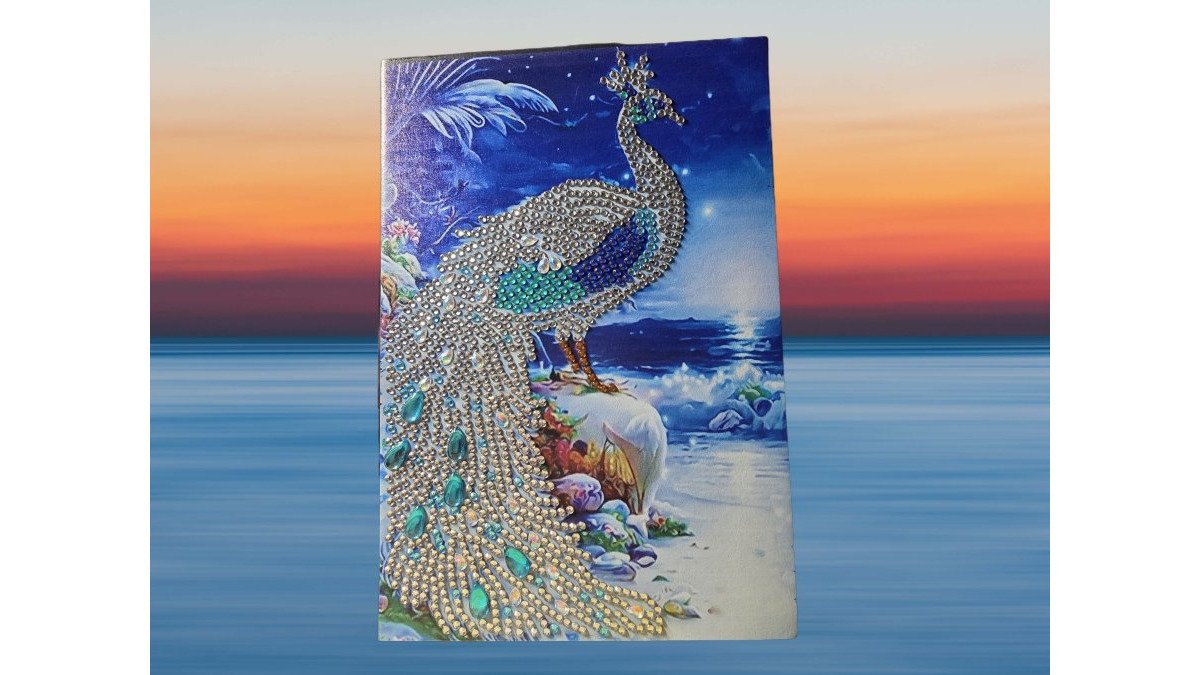
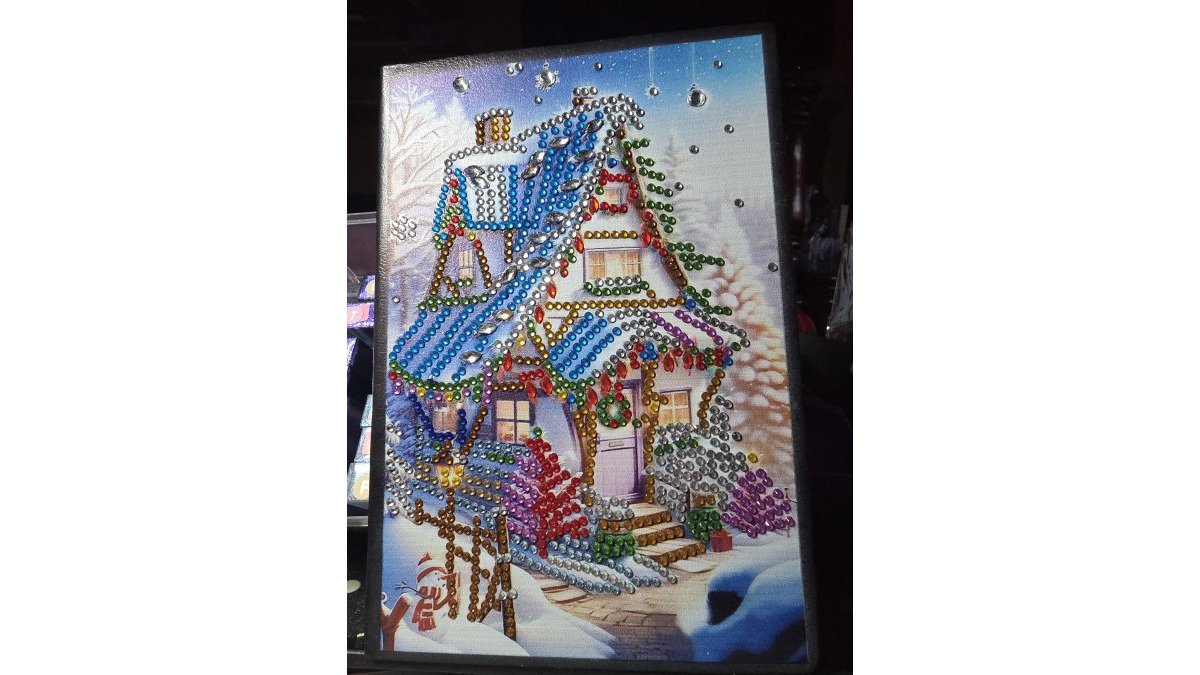
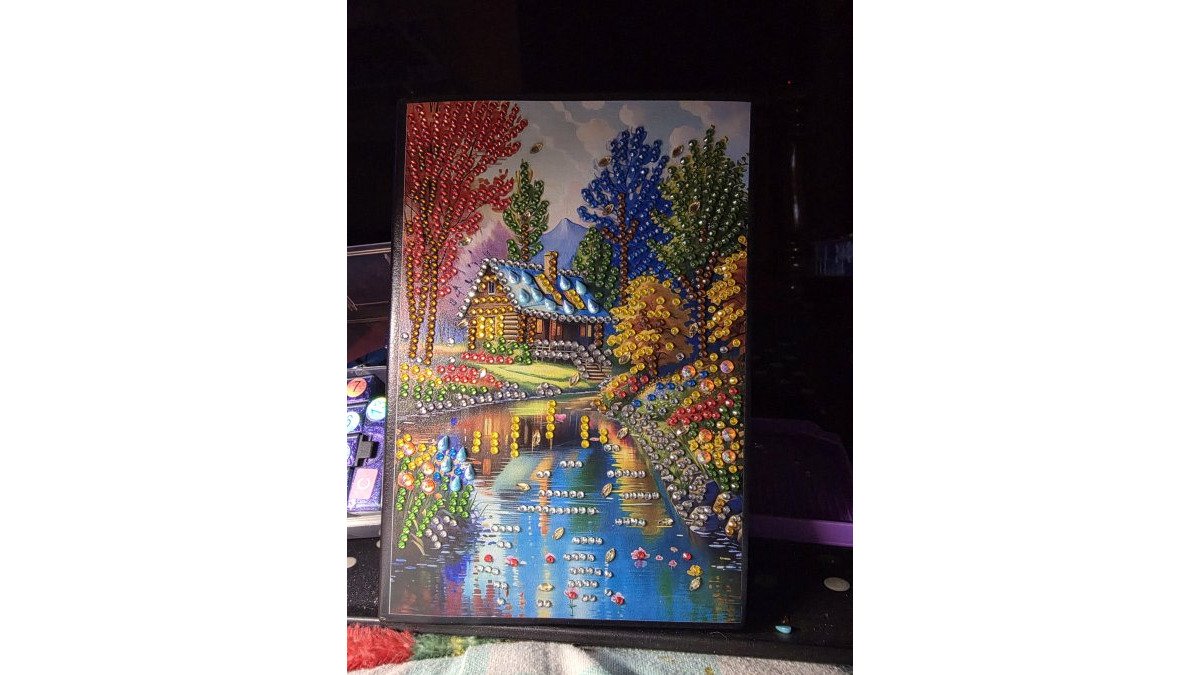
Pick a notebook that feels good to hold and open easily. A small hand pocket journal with a lined page is compact enough to carry everywhere and suits a daily habit. A compact, portable journal makes it simple to write a few lines wherever you are. Choose a time you already have, like after coffee or before bed, and commit to five minutes for one week.
At Reflective Radiance Studio, our handmade journals are made for this kind of daily reflection. Every purchase also supports children's art programs in schools, since 100% of our profits go to that cause. Browse the collection and find the one that invites you to write.
Frequently Asked Questions
What are the 7 types of journals?
Journaling styles are often grouped into seven types: gratitude, reflective, stream-of-consciousness or freewriting, bullet, daily, creative or visual, and mood journaling. The categories are informal rather than a formal classification, so sources vary slightly. What matters most is the purpose each style serves: noticing good things, examining experiences, clearing thoughts, organizing tasks, recording a routine, expressing ideas through images, or tracking emotions. Start with the purpose, then pick the format that matches it.
What is the dark side of journaling?
Journaling can intensify rumination for some people, especially when entries repeatedly revisit painful events without any movement toward understanding or resolution. Writing about trauma can also bring up strong feelings that feel hard to manage alone. Journals kept on shared devices or in shared spaces can expose private content. If writing consistently leaves you more distressed, consider pausing, changing the prompt to something less charged, or talking with a licensed mental health professional about what you are working through.
Which type of journaling is best for beginners?
Gratitude journaling and guided prompt journaling are common starting points because they give a clear focus and a short, repeatable structure. A few minutes a day, with one or two prompts, is usually enough to build the habit. Freewriting also works well for beginners who prefer no rules, though it can feel unstructured at first. Try one style for two to three weeks, notice how it feels, and adjust rather than committing to a single method from day one.
How do I choose a journaling style that works for me?
Match the style to your goal and the time you have. For stress relief, reflective or mood journaling may help. For daily organization, bullet journaling fits well. For creative expression, visual or art journaling suits people who think in images. If you have only five minutes, a short gratitude list or a few bullet entries works better than a long essay. Notice which format you return to without reminders; that consistency matters more than the label.
Ready to begin? Explore the Shop the Collection page and choose the journal that feels like your starting point.
Comments