
How to Start a Family Keepsake Journal Step by Step
Last Updated: November 14, 2026
Quick Summary
To start a family keepsake journal, first choose a paper, digital, or hybrid format, then give the book a title and write a one-page family snapshot. Spend your first week adding a childhood memory, one relative's story, a captioned photo, and a family saying or recipe. Keep each entry short so the habit sticks.
Choose paper, digital, or hybrid before writing, based on contributors, sharing needs, and how long the record must last.
Paper suits handwriting and glued photos but can be lost to damage, so consider a digital backup.
Ask one relative one open question per day during your first week to collect family stories.
Caption every photo with names, place, approximate date, and one sentence about the moment.
Store the journal away from sunlight, heat, and moisture, and keep backups in at least two places.
Ready to start your family's story?
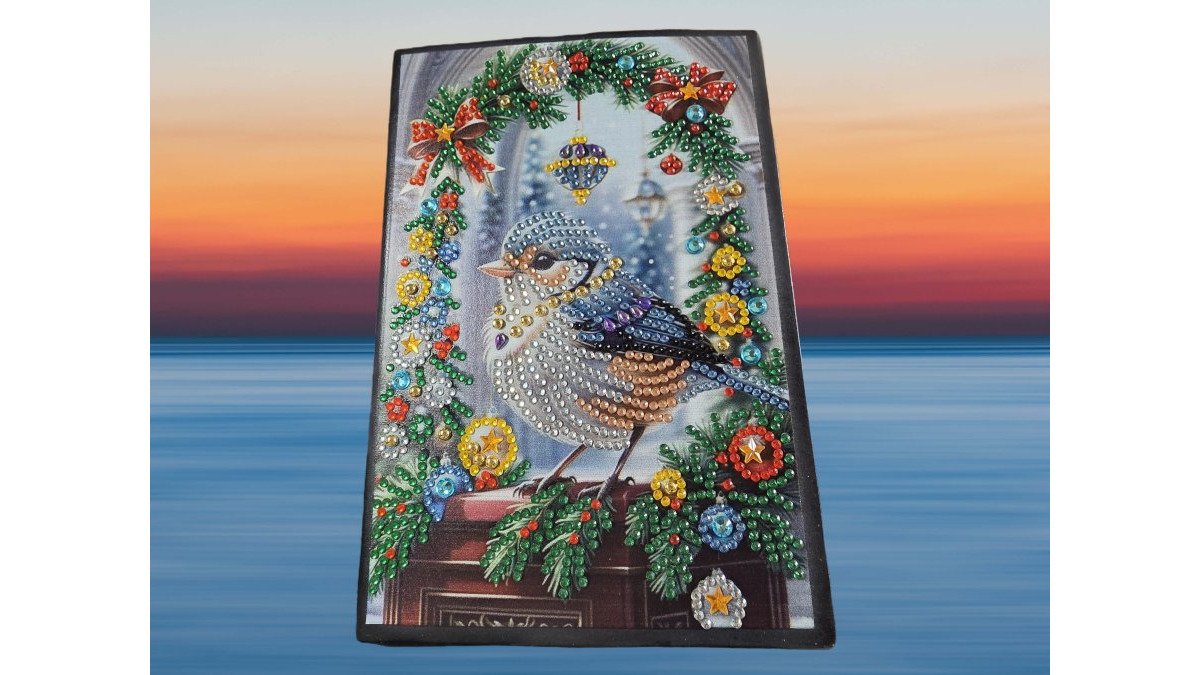
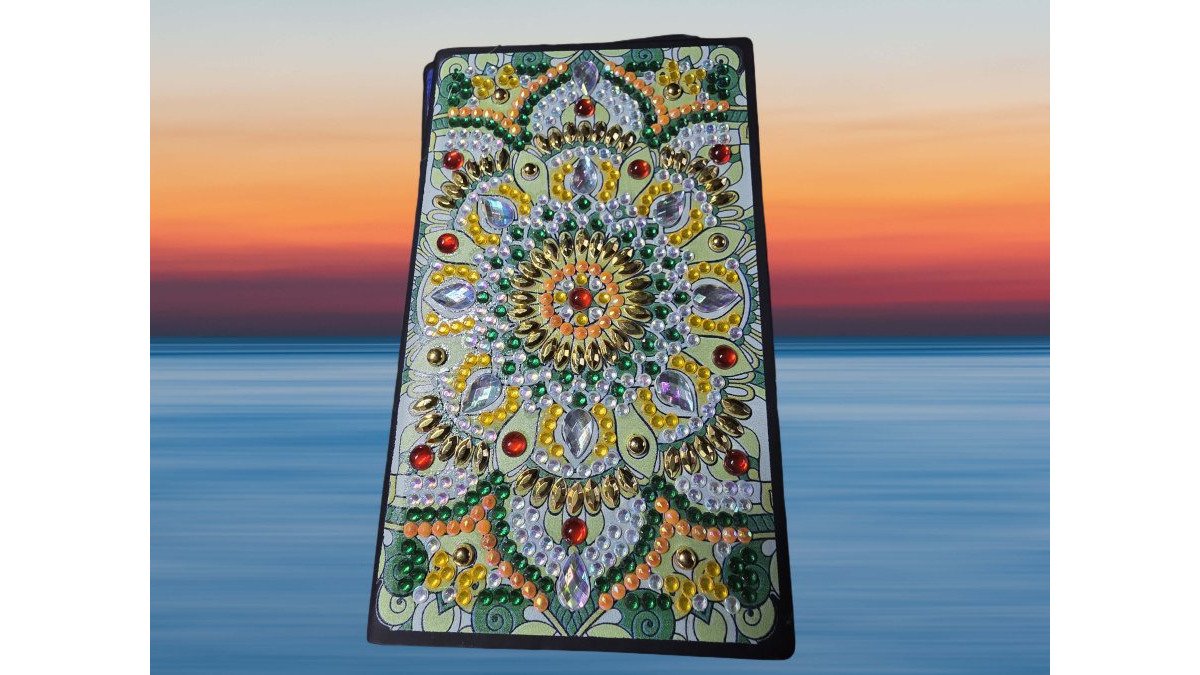
Reflective Radiance Studio makes handmade journals, with profits supporting children's art programs.
Table of Contents
A family keepsake journal is one of the few gifts that gets more valuable every year. This guide walks you through starting a family keepsake journal step by step, from choosing your format to keeping the habit going long after the first entry.
What a Family Keepsake Journal Holds and Why It Matters
A family keepsake journal is a single book where you record the stories, memories, recipes, sayings, and everyday moments that make your family who it is. It is part diary, part family history, and part treasure box.

Most families carry these stories in their heads. Grandma's first apartment, the car that never started on cold mornings, the phrase your dad said every time you left the house. When no one writes them down, they fade. A keepsake journal keeps them in one place, in your own handwriting or words.
Here is what a good family keepsake journal typically holds:
Family origins: where your relatives came from and how they got there
Childhood memories: what each person remembers about growing up
Milestones: first steps, graduations, moves, and new jobs
Traditions: holiday meals, bedtime rituals, and seasonal habits
Recipes and sayings: the dishes and expressions that belong to your family alone
Think of the journal as a living record. It grows with each new family member and each new chapter.
Choosing a Paper, Digital, or Hybrid Journal
Before you write anything, decide what format fits your family. The right choice depends less on sentiment and more on who will contribute, how the journal will be shared, and how long you want it to last. Most families end up with a hybrid, but it helps to see the trade-offs clearly.
Paper journal. A bound book feels special to hold and works well for handwriting, glued photos, and pressed keepsakes. If you are ready to buy, you can browse journals with lined pages for writing family stories. The drawbacks are real: paper can be damaged by water, fire, insects, or repeated handling, and a single copy means one loss is permanent. You can compare binding options for handmade and recycled-paper journals before you buy. Guidance on choosing the right paper weight for sketching and mixed media explains how to judge this for your own entries.
Digital journal. A digital file is easy to search, back up, and share with relatives who live far away, and adding photos, audio, or scanned documents is simple. The risk is format and account drift: apps shut down, file formats age, and cloud accounts can be lost. A common pattern is to keep entries in a plain-text or PDF format stored in at least two locations, such as an external drive and a cloud folder, so no single service failure erases the record.
Hybrid journal. This combines both. You might write by hand and store scanned photos digitally, or print digital entries into a paper book once a year. The hybrid approach covers the sentimental and the practical needs, but it requires a routine for syncing the two halves so they do not drift apart.
Ask yourself a few practical questions before committing:
Will most contributors write by hand or type?
Do you want photos inside the book itself, or stored separately?
Who needs access, and should some entries stay private?
How long do you want the record to last, and who will maintain it?
Watch out: choosing a digital app only because it is convenient can leave you with years of entries trapped in a format you cannot export. Confirm before you start that the app lets you export your entries in a standard format.
Many families start with paper for the feel of it and add a digital backup for safety. That approach covers both the sentimental and the practical needs, provided someone is responsible for scanning new pages on a regular schedule.
Your First-Week Plan for Starting
Starting is the hardest part. This simple plan keeps it manageable.
Day 1: Choose your format and name the book. Pick paper, digital, or hybrid. Give the journal a title, such as "The Carter Family Book."
Day 2: Write a one-page family snapshot. List who is in the family, where you live, and one thing that makes your family unique.
Day 3: Add one childhood memory. Write about your own earliest clear memory. Keep it to a few paragraphs.
Day 4: Ask one relative a question. Call or visit someone and ask for a single story. Record it as close to their words as you can.
Day 5: Add a photo with a caption. Include who is in it, where it was taken, and the year if you know it.
Day 6: Record a family saying or recipe. Write down one phrase or dish that only your family uses.
Day 7: Review and plan. Read what you wrote. Decide which family member or memory to tackle next week.
Keep each entry short. A few honest sentences are better than a perfect page you never finish.
Family Keepsake Journal Prompts to Spark Stories
Prompts take the pressure off. When you do not know what to write, pick one of these:
What is your earliest clear memory?
What did our family eat on special days when you were young?
What is one thing you learned from your parents or grandparents?
Where did you spend your favorite childhood summer?
What tradition do you want our family to keep for good?
What was the hardest year of your life, and what got you through it?
What is a phrase or saying our family uses all the time?
What do you hope your children remember about growing up?
You can use the same prompt with several relatives. Their answers often differ, and those differences make the book richer.
How to Organize Family Photos and Stories
A journal with good stories but no order is hard to use, and one without a preservation plan is hard to keep. Organize it by chapters that fit your family, then build in the labeling and storage habits that keep it intact.

Common chapter structures:
By generation: grandparents, parents, and children, which suits family-history projects.
By theme: traditions, recipes, milestones, and sayings, which suits readers who browse.
By year: useful if you are recording current life as it happens and want a running record.
For photos, write a caption for each one that includes the names of the people, the place, the approximate date, and one sentence about the moment. Store original photos safely in a separate folder with clear file names, such as "1985-grandma-kitchen.jpg," so the digital copy can be matched to the printed page later. When you glue or mount a photo, use photo-safe adhesive or corners rather than rubber cement, which stains and fails over time, and write captions in pencil or archival ink on the back of the print rather than across the image.
Keep a simple index at the front of the book. List each chapter and the page where it starts, and add to the index as the journal grows. For a digital journal, mirror this with a table of contents document that links to each entry.
Preservation habits that matter over decades:
Store the journal away from direct sunlight, heat, and moisture, ideally in a cool, dry closet rather than a garage or attic (Storing Your Books - Preserving Your Books).
Keep a digital backup of every page and every scanned photo, labeled clearly and stored in at least two places, such as an external drive and a cloud folder.
Scan new pages on a set schedule, such as once a quarter, so the backup does not fall years behind.
Review the index and backup once a year and note any gaps, missing captions, or unlabeled photos.
Watch out: labeling a backup only by date makes it hard to know which version is current. Include the journal name and a version number in every backup folder name.
A journal that is organized and backed up is one your family can actually use, add to, and pass on.
Interviewing Reluctant or Older Relatives and Protecting Sensitive Stories
Some relatives will be eager to share. Others may be shy, tired, or unsure why their stories matter. A few approaches help:
Keep sessions short, about 20 to 30 minutes.
Ask open questions like "What was it like?" instead of yes-or-no questions.
Record the conversation with permission, then transcribe key parts.
Let them skip any question they do not want to answer.
Some stories are painful, private, or involve other people who may not want to be written about. Before you record anything sensitive, ask the person whether they are comfortable with it appearing in a shared book. Consider marking private entries so they stay with you or are shared only with certain family members.
Respect the people in your journal. Their privacy matters as much as the memory itself.
Keeping the Habit and Preserving the Journal Long-Term
A keepsake journal only works if you keep adding to it. A few habits make that easier:
Set a weekly reminder for a fifteen-minute writing session.
Keep the journal somewhere visible, not locked in a drawer.
Invite other family members to add entries on birthdays or holidays.
Once a year, review the book together and add a year-in-review entry.
To protect the journal over time, store it away from direct sunlight, heat, and moisture. Keep a digital backup of every page and every scanned photo. Label the backup clearly and store it in at least two places.
Start Your Family's Journal This Week
You do not need a perfect plan or a finished book. You need one first entry. Pick your format, write one memory, and ask one relative one question. Over time, those small entries become the family record your grandchildren will treasure.
Reflective Radiance Studio creates handmade journals and accessories for exactly this purpose, with 100% of profits donated to children's art programs in schools. Browse the collection to find a journal that feels right for your family's story.
Frequently Asked Questions
How do I start a journal as a beginner?
Start small. Pick one notebook or one digital file, write the date and a single sentence about your day or a family memory, and add to it a few times a week. Skip the idea that entries must be long, polished, or daily. A consistent five-minute habit builds a richer keepsake journal over time than an ambitious start you abandon after two weeks. Once the habit feels natural, add prompts, photos, and older family stories as you go.
What should I include in a family keepsake journal?
Most families combine a few types of entries: family origins and history, childhood memories, everyday moments, recipes and sayings, traditions, and milestones such as birthdays or first days of school. Include the names of the people involved, approximate dates, and where each memory happened. Attach or reference photographs, and note who provided each story so future readers know its source.
How do I organize family memories in a family keepsake journal?
Organize by chapter rather than by date when possible. Chapters might cover each branch of the family, each decade, or themes such as traditions and recipes. Use a table of contents page and number your entries. For photos, keep a log that matches each print or file name to the journal page where it appears. Review the structure every few months so new entries fit where they belong.
How can I make a family keepsake journal a consistent habit?
Attach journaling to an existing routine, such as the Sunday dinner table or bedtime reading with children. Keep the journal and a pen where you will see them. Rotate prompts weekly so the entries stay fresh, and invite other family members to contribute one story a month. Consistency matters more than volume, so one short entry a week still adds up to a meaningful record within a year.

Comments